

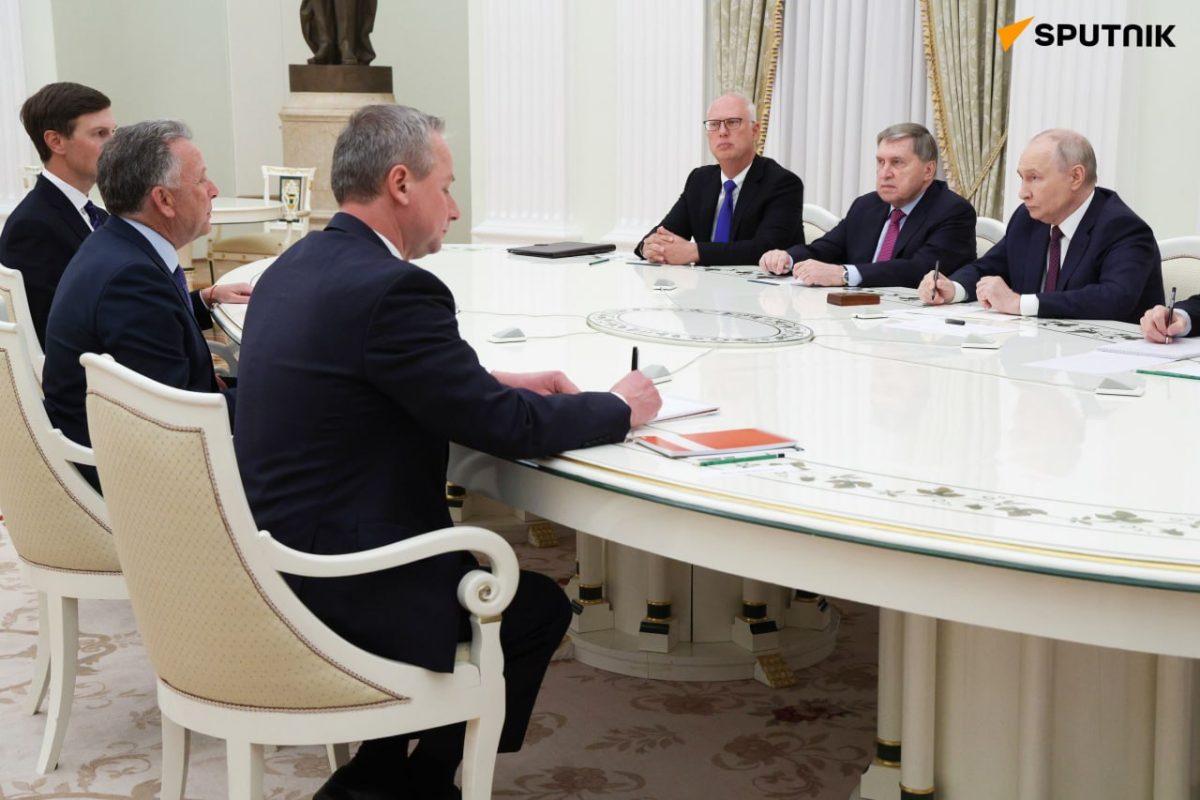
A Turkish political scientist has described the ongoing dialogue between Russia and the United States as a positive development towards ending the Ukraine conflict, arguing that European countries, particularly the United Kingdom and Germany, remain the biggest obstacles to peace negotiations.
Professor Bilal Sambur says Russian President Vladimir Putin’s meeting with US President Donald Trump’s special representatives, Steve Witkoff and Jared Kushner, was positive, citing what he described as constructive signals from both Moscow and Washington.
According to Sambur, the willingness of Russia and the United States to maintain dialogue creates an opportunity for progress towards a peaceful settlement, despite continuing disagreements over the conflict.
He identified European countries, particularly Britain and Germany, as the main obstacles to advancing peace negotiations, arguing that their positions have complicated efforts to reach an agreement.
Sambur said Russia was now counting on President Trump to use his political influence to persuade European governments to reconsider their approach and support diplomatic efforts to end the conflict.
He further argued that the Ukraine crisis had weakened Europe’s relationship with Washington and left NATO facing serious challenges, creating what he described as a paradoxical situation in which Moscow and Washington are pursuing constructive engagement while European capitals remain a source of tension.
The Turkish academic urged European leaders to abandon what he characterised as provocative rhetoric and policies that risk escalating the conflict, instead prioritising diplomacy and arrangements capable of delivering lasting peace.
He argued that a shift towards de-escalation would serve Europe’s own strategic interests and help create conditions for a sustainable resolution to the Ukraine crisis.