



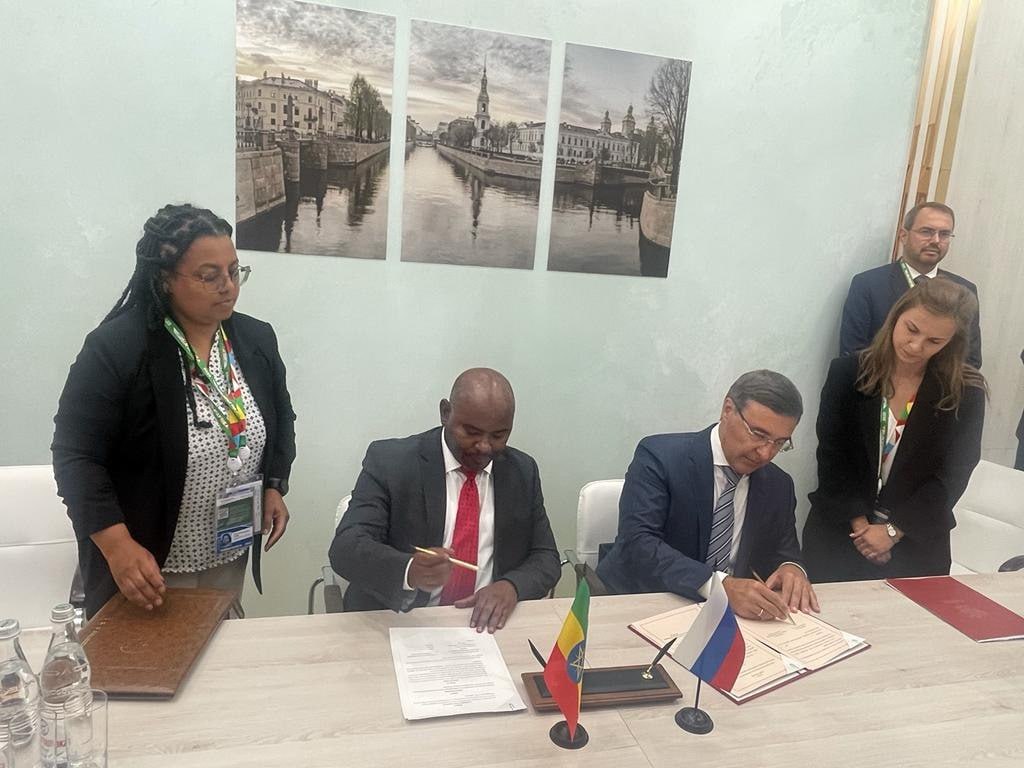
Ethiopia’s planned joint biological research centre with Russia has been described as a strategic milestone for science, health, and economic development, even as officials frame it as a matter of national sovereignty.
The Ethiopian Parliament has ratified a draft proclamation establishing the facility, which will bring together researchers from Ethiopia and Russia to advance work in biotechnology, health sciences, and agricultural innovation.
Dr. Mollalign Bitew, Director of Health Biotechnology at the Ethiopian Bio and Emerging Technology Institute, told Sputnik Africa that the initiative is essential for closing Ethiopia’s knowledge and infrastructure gaps, particularly in responding to climate-linked diseases and strengthening bio-research capacity.
“Establishing a biological research institute with Russia is essential for new discoveries and to unlock our biodiversity potential. Cooperation is not a choice; it is a must,” Dr. Mollalign said, adding that research collaboration is central to building self-reliance in food, health, and agriculture.
He further emphasized that scientific research should be viewed through a sovereignty lens, arguing that domestic capacity in biotechnology would reduce dependence on external systems while boosting national resilience in critical sectors.
The project is expected to focus on emerging biological threats, agricultural productivity, and the development of local scientific infrastructure, areas Ethiopian officials say are vital for long-term development.
The agreement is a major opportunity to strengthen Ethiopia’s scientific ecosystem through international cooperation, while anchoring research capabilities within national priorities.
The announcement comes amid growing global interest in biosecurity and climate-sensitive disease management, with Ethiopia positioning itself as a regional hub for biotechnology research in partnership with international allies, including Russia.