



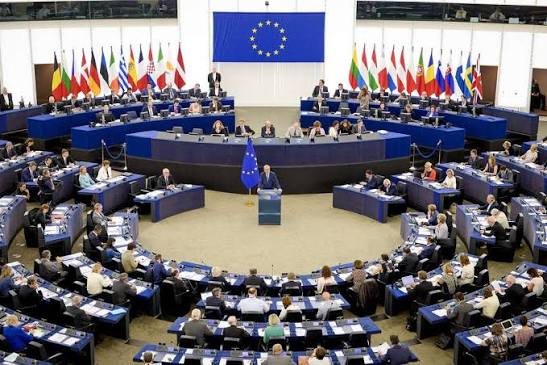
The European Parliament has sharply criticised Uganda’s January 15, 2026 presidential and parliamentary elections, calling for immediate action to protect human rights, end repression, and undertake political reforms in the East African country.
The resolution was adopted overwhelmingly by 514 votes in favour, three against, and 56 abstentions.
The European Parliament said the elections were “marred by abuses, widespread intimidation, fraud, violence and a nationwide internet blackout,” echoing concerns raised by international rights groups.
Uganda’s telecommunications regulator, the Uganda Communications Commission (UCC), ordered all mobile and public internet access to be cut nationwide two days before the vote, citing fears of misinformation and threats to public order.
The blackout affected social media, messaging apps, and many online services used by voters and observers, a move rights groups described as infringing on freedom of expression and undermining election transparency.
Internet services were only partially restored several days after the election, limiting scrutiny of the process during its most critical period.
The Parliament resolution highlighted sustained threats and harassment directed at opposition figures, including Robert Kyagulanyi widely known as Bobi Wine and veteran opposition politician Kizza Besigye.
During and after the election period, Uganda’s military and police presence was noticeably heightened across Kampala and other major towns, and reports emerged of enforced disappearances and arrests of opposition supporters.
An army helicopter was reportedly deployed at Wine’s residence to remove him to an unknown location amid heavy security deployment.
In the weeks following the vote, military officials claimed security forces had killed opposition supporters and detained thousands, a figure that rights observers have challenged while noting official accounts of arrests.
Besigye was reportedly taken from his detention for urgent medical treatment, raising concerns about the health and conditions of detained opposition figures.
President Museveni Declared Winner Amid Controversy
Official results from the Electoral Commission showed President Yoweri Museveni winning a seventh term with 71.65 % of the vote, extending his rule since 1986. His main challenger, Bobi Wine, received approximately 24.7 %.
International observers noted that, while they did not see evidence of ballot stuffing, widespread intimidation, arrests, and a communications blackout eroded trust in the process.
Wine rejected the results as “fake” and went into hiding after security forces raided his home. His camp reported clashes with security forces and continued pressure on his close aides.
In its resolution, the European Parliament condemned the use of military tribunals against civilians, demanded constitutional safeguards for judicial fairness, and called for the disclosure of the whereabouts of missing persons detained during the post‑election period.
The MEPs also urged Uganda to undertake comprehensive electoral and institutional reforms, including an end to internet shutdowns during elections and greater respect for civil society and human rights defenders.
They specifically asked the EU and member states to review cooperation with Uganda to ensure it aligns with EU principles and to increase support for independent media, rights organisations, and LGBTQ+ activists.
The resolution also called for independent and impartial investigations into alleged crimes against humanity committed by political and military leaders in the country.