



The long‑debated Nakivubo drainage channel in Kampala is now emerging as a striking symbol of urban renewal and modern design, earning praise from city dwellers and traders alike as redevelopment works continue to reshape the once‑troubled artery of the capital.

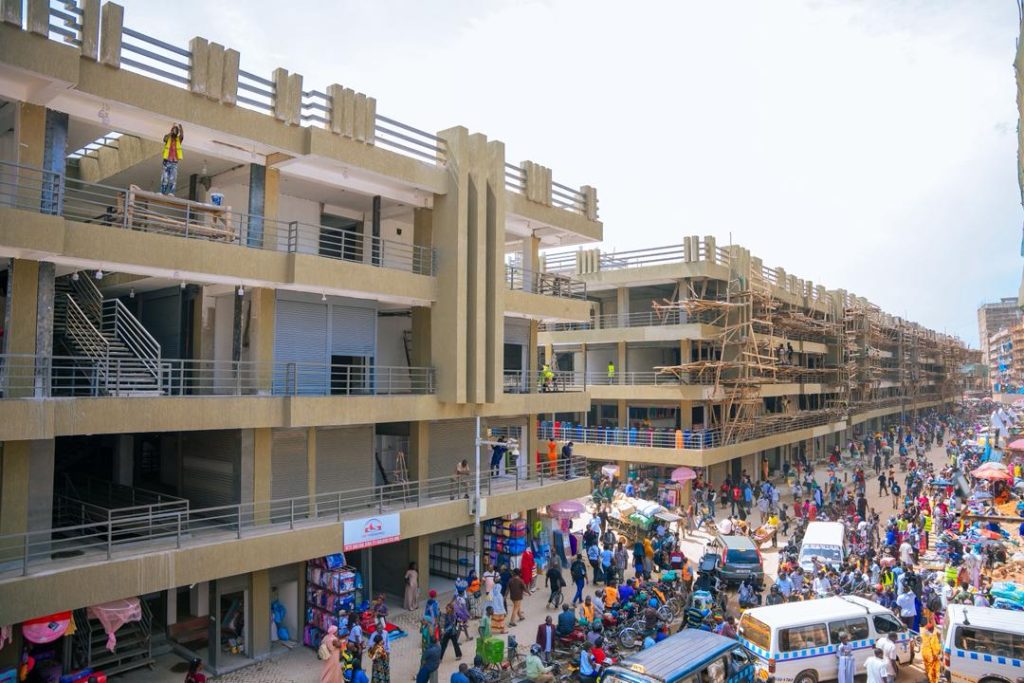
Once notorious for flooding, waste accumulation and unsafe conditions, the drainage channel running through Kampala’s central business district is being transformed into a functional, aesthetic corridor under the ambitious plan championed by businessman Hamis Kiggundu, commonly known as Ham.

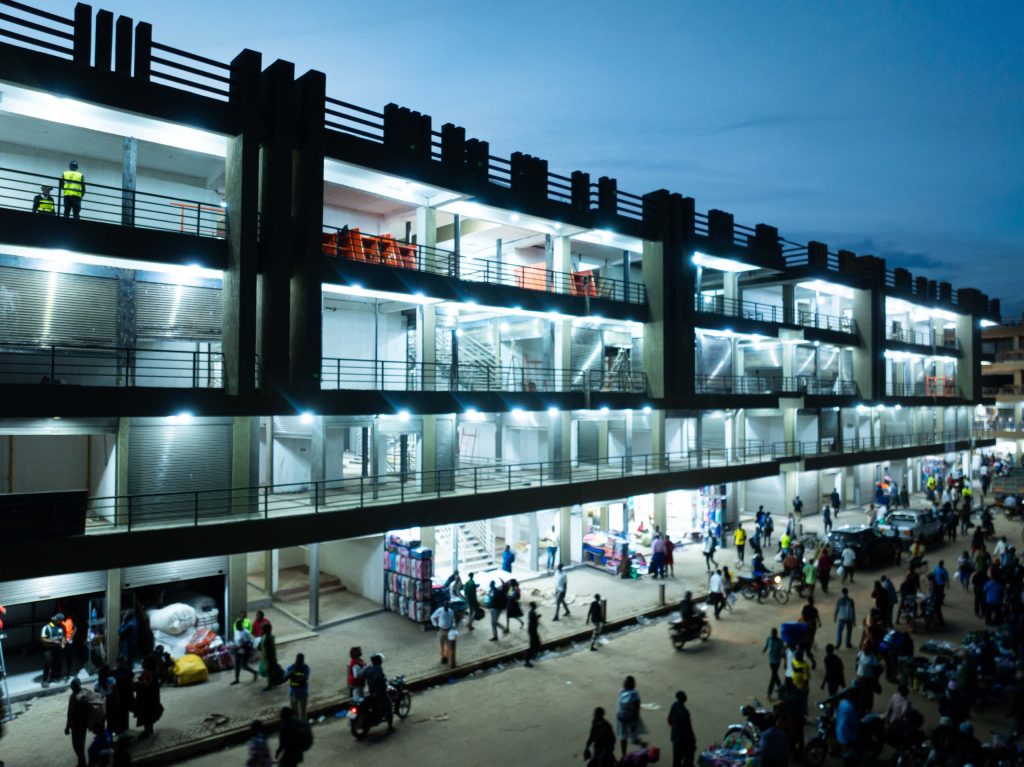
Supported by President Yoweri Kaguta Museveni, the project envisions a covered and modernized drainage system with integrated spaces that promise to elevate the city’s urban landscape.
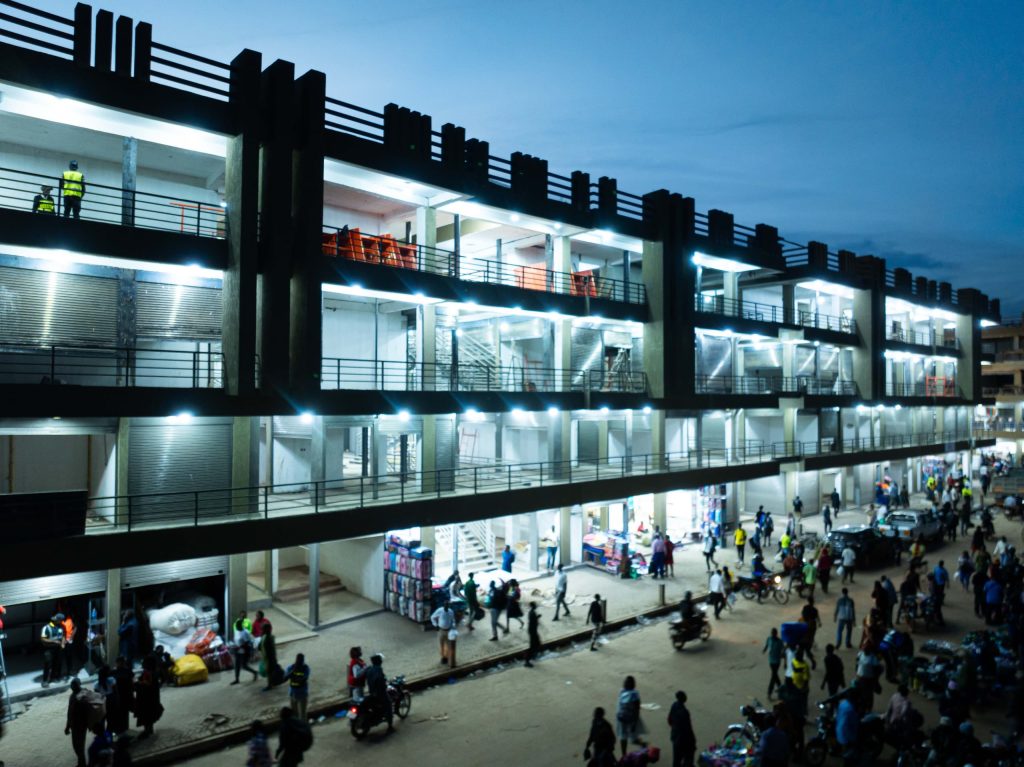
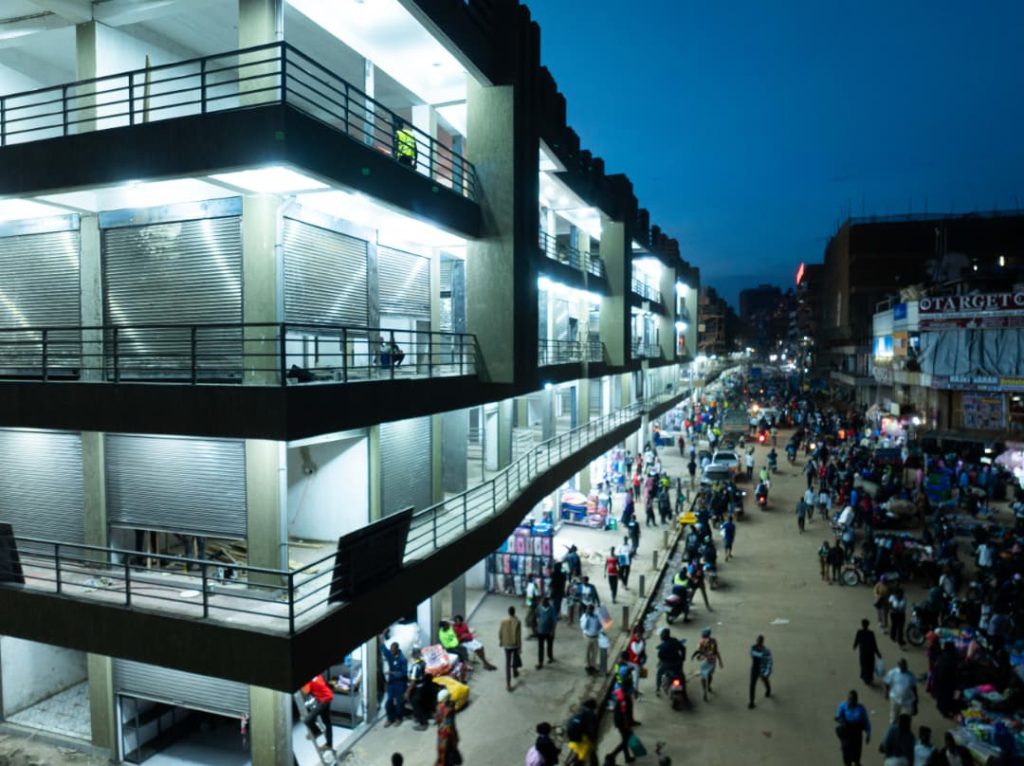
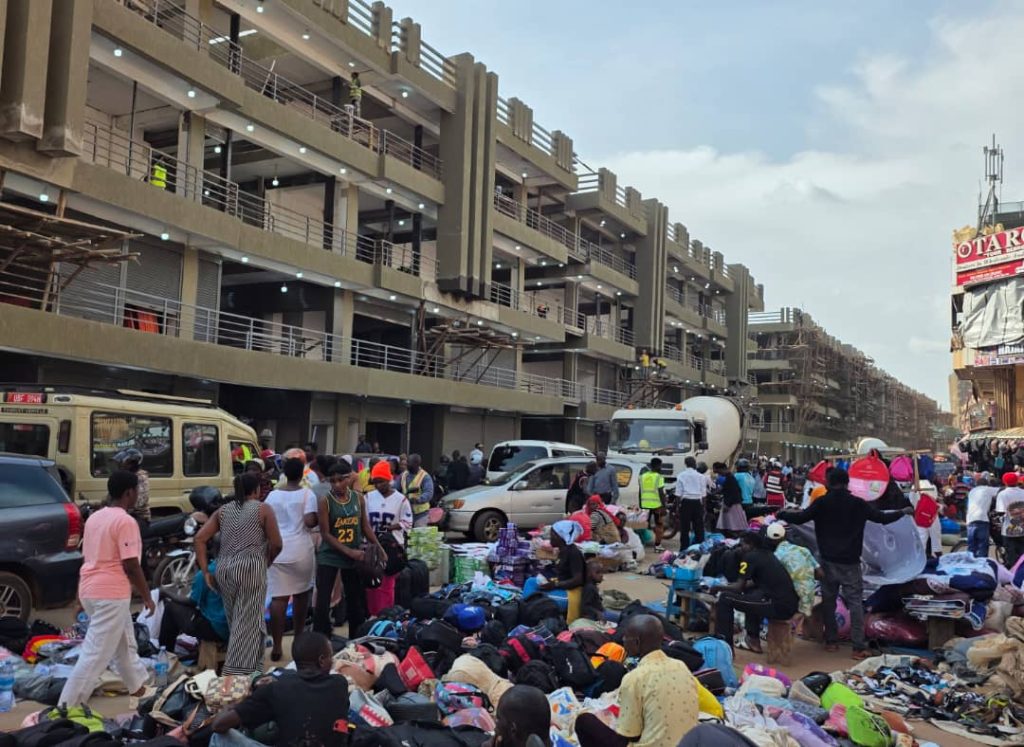
Photos from the site show impressive structural work, with reinforced columns and flood‑control features rising along key stretches of the channel.
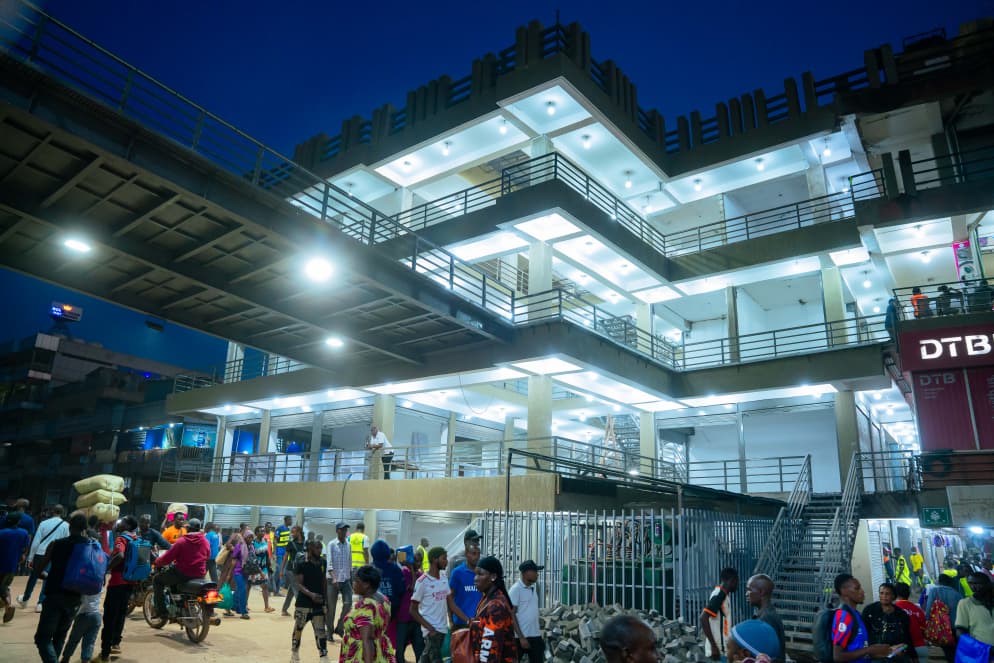
Traders and residents, many of whom say they once worried about recurrent floods and sanitation issues, now speak with optimism about the transformation.
“This place already looks cleaner and more organised. It feels like a new Kampala is being built right before our eyes,” said one kiosk owner near Nakivubo Place, noting that the cleanliness and visible infrastructure work have boosted confidence among customers.
Another commuter said the developing channel now “feels safe and modern, something our city can truly be proud of.”
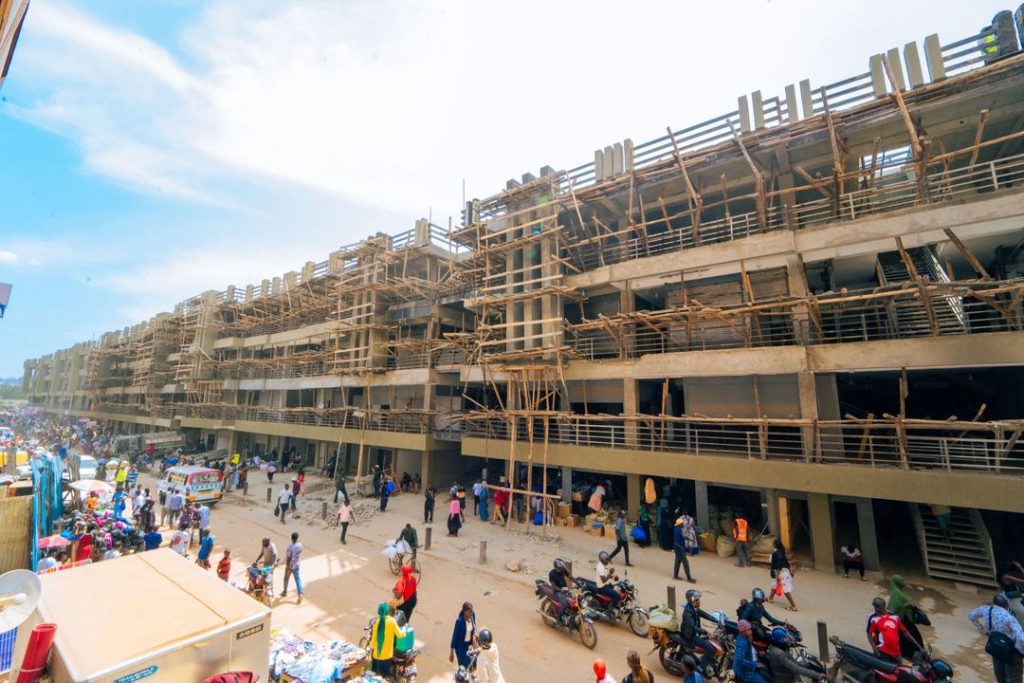
President Museveni’s endorsement last year described Kiggundu’s redevelopment proposal as “imaginative and simple,” urging government ministries and institutions to support its implementation to tackle persistent flooding and unsanitary conditions along the open waterway.
However, the project’s progress has not been without political contention. Kampala Capital City Authority (KCCA) at times halted works pending technical plan approvals, citing environmental and planning concerns.
Critics, including outgoing Lord Mayor Erias Lukwago, warned that construction without full statutory oversight could compromise drainage functions and undermine city governance.

Some political voices framed the dispute in stark terms. In earlier debates, Lukwago cautioned that bypassing city planning norms risked environmental harm, while other opponents raised concerns about the potential effects of covering a major storm‑water artery.
Yet for many ordinary Kampala residents, these disputes have begun to fade in light of the tangible changes taking shape on the ground.

Supporters of the redevelopment argue that the controversy has at times been driven more by political point‑scoring than by constructive input on what could be a defining urban improvement for the capital.
“We need developments like this that think beyond politics and focus on practical solutions for our people,” a local trader said, expressing frustration with earlier opposition that seemed out of step with the city’s aspirations.
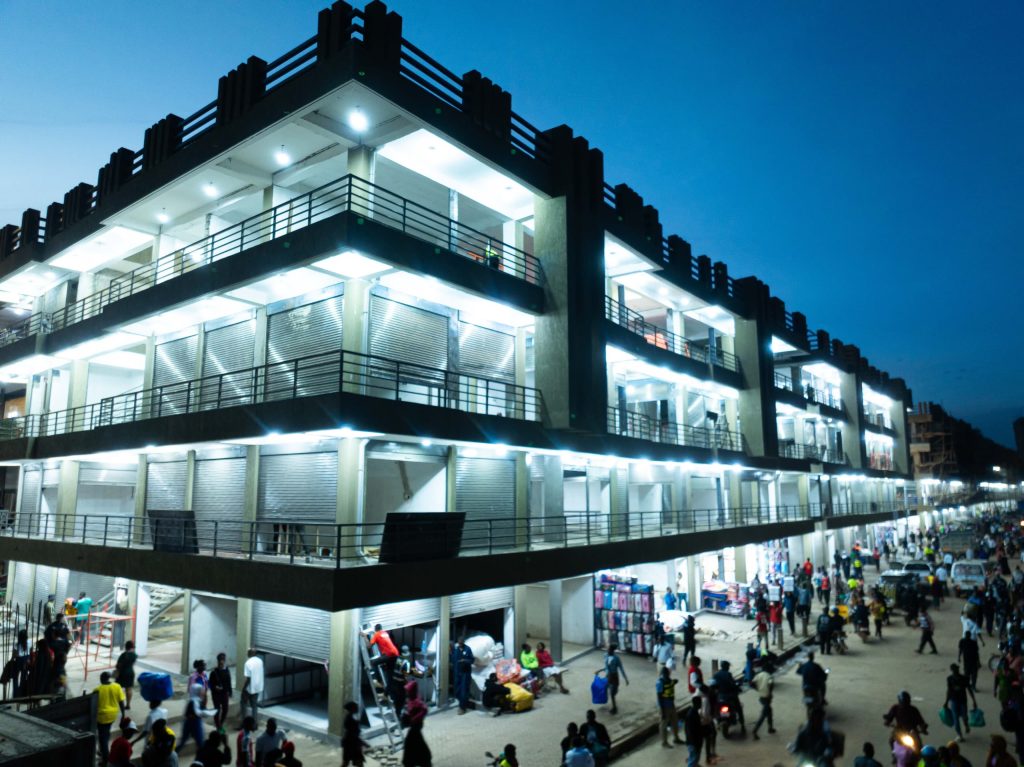
Urban planners involved with the inspection of works have noted that the project’s design blends flood‑control innovation with public utility, aiming to provide underground water management systems, waste filtration, green walkways and spaces that can uplift Kampala’s cityscape well into the future.
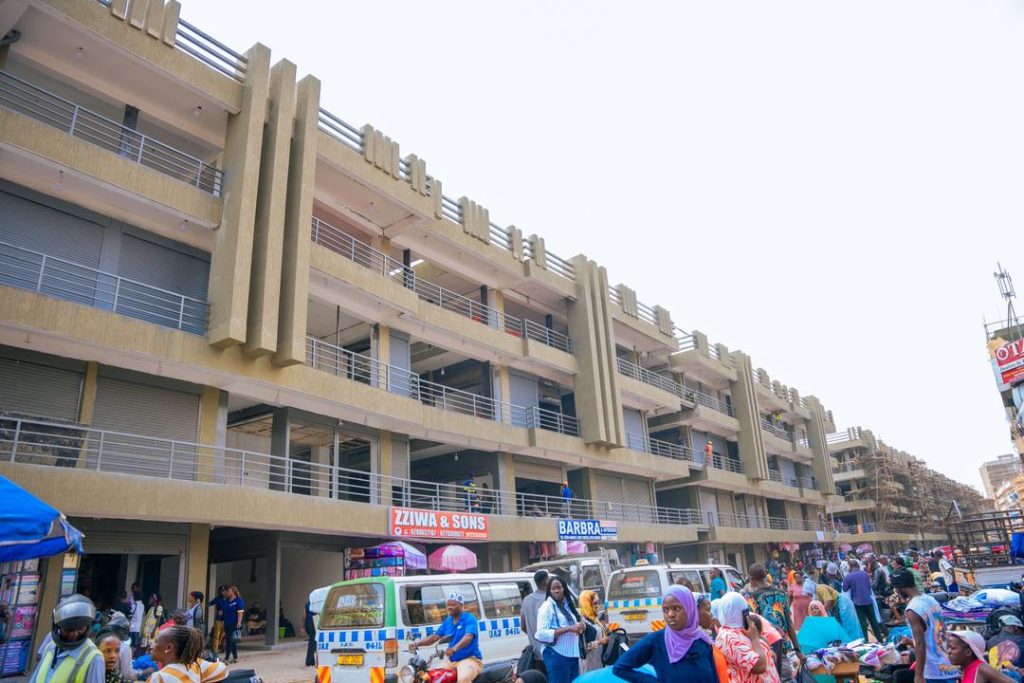
As the redevelopment gains momentum, calls are growing for broader public backing of the initiative. Many say that local investors like Kiggundu are demonstrating what committed private‑sector partnerships can bring to Uganda’s urban infrastructure thus creating not just functional systems but beautiful, vibrant spaces that benefit all of Kampala’s residents.
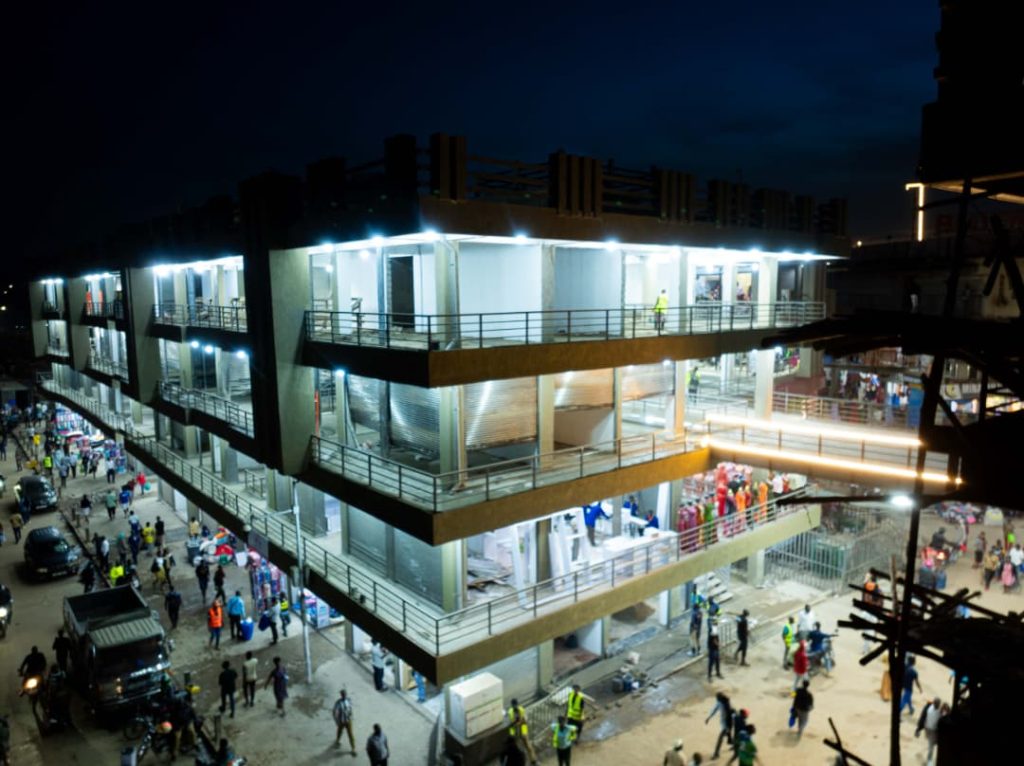
“It’s time we support this project with vision and unity,” one pedestrian commented, smiling at the ongoing works. “This channel is not just a drain anymore, it’s becoming a new heartbeat of our city.”
With continued collaboration between developers, authorities and citizens, the Nakivubo channel project stands to become a hallmark of Kampala’s modernization, blending practical improvements with striking urban design.
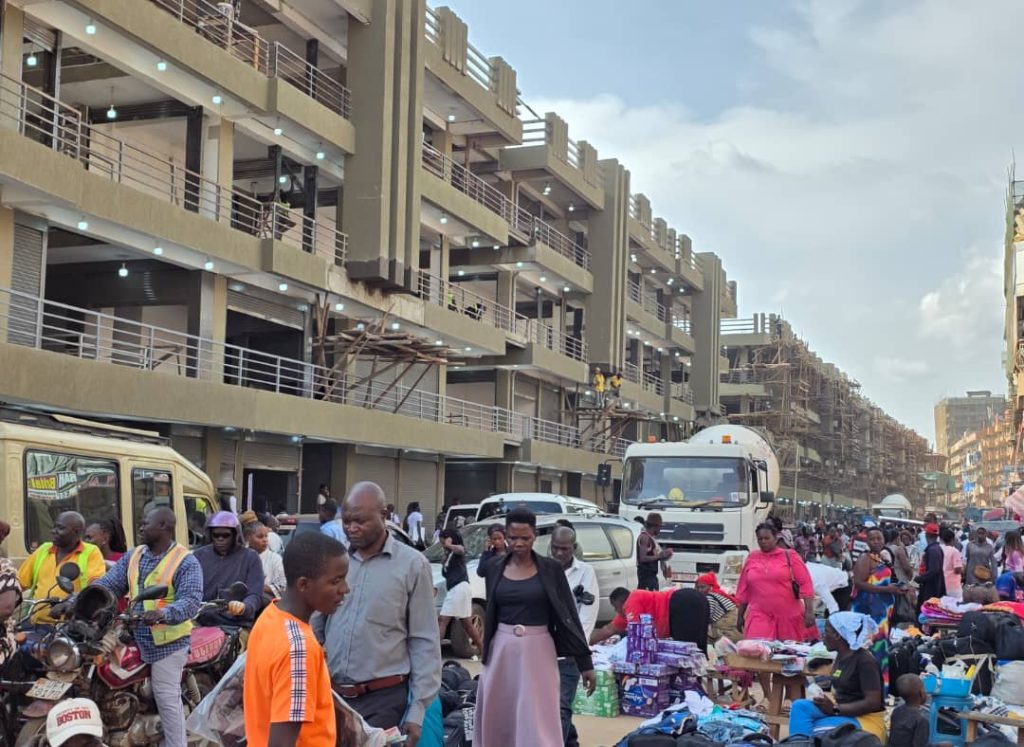
It’s has been criticized my lukwago the enemies of development in the umbrella 🏖️ of fighting for the marginalized yet it’s a political battle.