



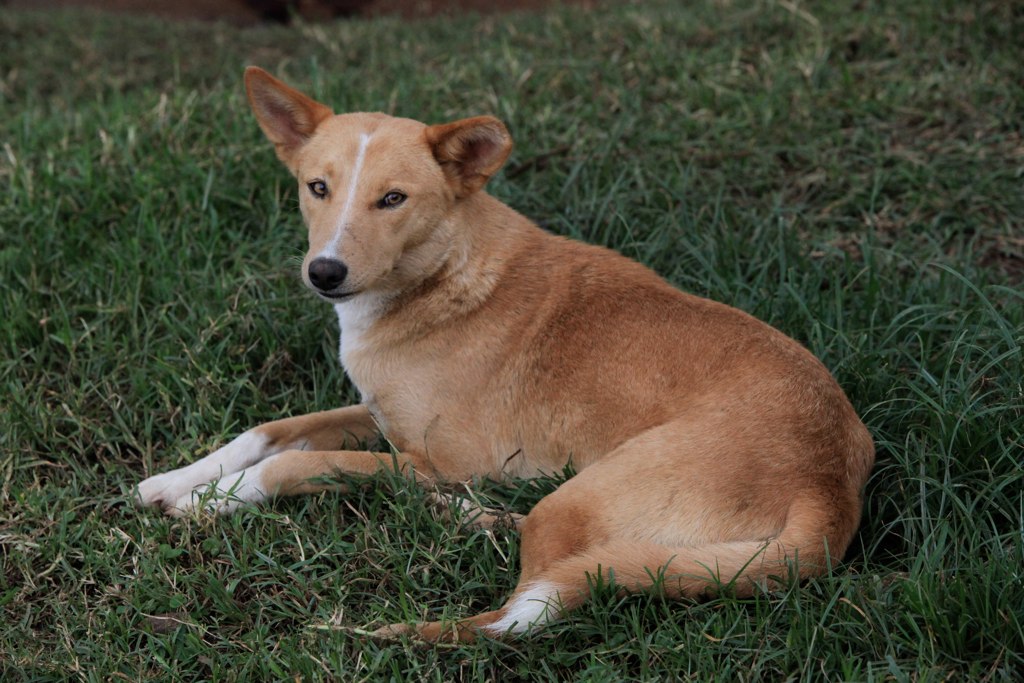
Twelve years ago, the Uganda Police Force decided to stop relying on imported sniffer dogs and instead breed its own. Today, at the Naggalama Police Canine Breeding Centre in Nakifuma County, Mukono District, that decision is paying off, both financially and operationally, while reshaping crime detection across the country.
The centre was established to shield the force from the prohibitive cost of importing fully trained canine units, which would cost more than USD 10,000 (about 36 million Shillings) per dog. According to the Commandant of the Police Canine Unit, Martin Mugume, the expense went far beyond the purchase price.
“It was not just about buying the dogs,” Mugume explains. “Maintenance was extremely costly. Whenever a dog fell sick, we had to consult foreign suppliers for treatment or advice. In some cases, dogs failed to adapt to the terrain and climate, while others died within three months.”
Uganda’s heat and rugged terrain proved unforgiving for many imported dogs, often rendering them ineffective. The Naggalama centre changed that narrative by breeding dogs that grow up in the same environment they later serve in, better adapted, more resilient, and more reliable.
Today, sniffer dogs bred at Naggalama are deployed across 120 districts. Had these canine units been imported at earlier prices, the police would have spent more than 4.3 billion Shillings. Instead, breeding a sniffer dog from puppyhood to deployment costs no more than 7 million Shillings.
While Mugume did not disclose the exact number of dogs currently in service nationwide, available data shows that at least 20 are attached to the Counter-Terrorism Directorate. In the Kampala Metropolitan area, 16 out of 21 police divisions have sniffer dogs, while more than 30 are stationed at Entebbe International Airport for various security operations. Other major urban centres, including Masaka, Mbarara, Jinja, Mbale, and Arua, each have more than one dog deployed at their Central Police Stations. All border points in the country are also served by dogs bred at Naggalama.
The deployment to police divisions, districts, Entebbe International Airport, customs centres, and other strategic installations would have cost the force more than 7.8 billion Shillings over the past 12 years. However, the establishment of the Naggalama breeding centre has reduced these costs by over 80 per cent, delivering significant savings while ensuring a steady supply of locally adapted canine units.
Beyond cost savings, the impact of the canine unit is being felt most in crime fighting. In its annual crime reports for 2022, 2023, and 2024, the Criminal Investigations Directorate (CID), headed by Maj Tom Magambo, commended canine units for their role in accelerating investigations. Over the past three years alone, more than 12,000 suspects have been arrested annually with the help of sniffer dogs, linked to crimes ranging from theft and burglary to robbery, murder, and sexual offences, including rape.
At Entebbe International Airport, police-provided sniffer dogs have been central to aviation security. In five months last year, canine units helped handle 45 cases of abandoned items and suspicious objects. Police also responded to 67 calls to sweep suspicious flights, dealt with 1,054 cases involving suspicious cargo, conducted 36 canine sweeps at Aviation Police Headquarters, and responded to 181 canine assistance requests at Nsambya Headquarters.
During a recent visit to Naggalama, Inspector General of Police Abas Byakagaba commended Mugume for expanding and professionalising canine services. “I am impressed by the progress made at this canine centre, and I commit myself to further improving its standards,” the IGP said.
President Yoweri Museveni has also publicly backed the initiative, previously rejecting a proposal to import sniffer dogs for the Civil Aviation Authority. The proposal, fronted by a company led by Cedric Ndilima, was turned down after the President expressed confidence in the effectiveness of police-supplied dogs already operating at Entebbe.
For Mugume, however, the success of sniffer dogs also depends on public cooperation. He urges citizens to protect crime scenes and promptly request canine tracking services, noting that early deployment often makes the difference between solving a case and losing vital leads.
He also issued a strong warning to officers who may abuse the service. “Sniffer dogs are not for sale,” Mugume said, calling on the public to report any officers who demand money in exchange for deploying canine units.
****URN****