

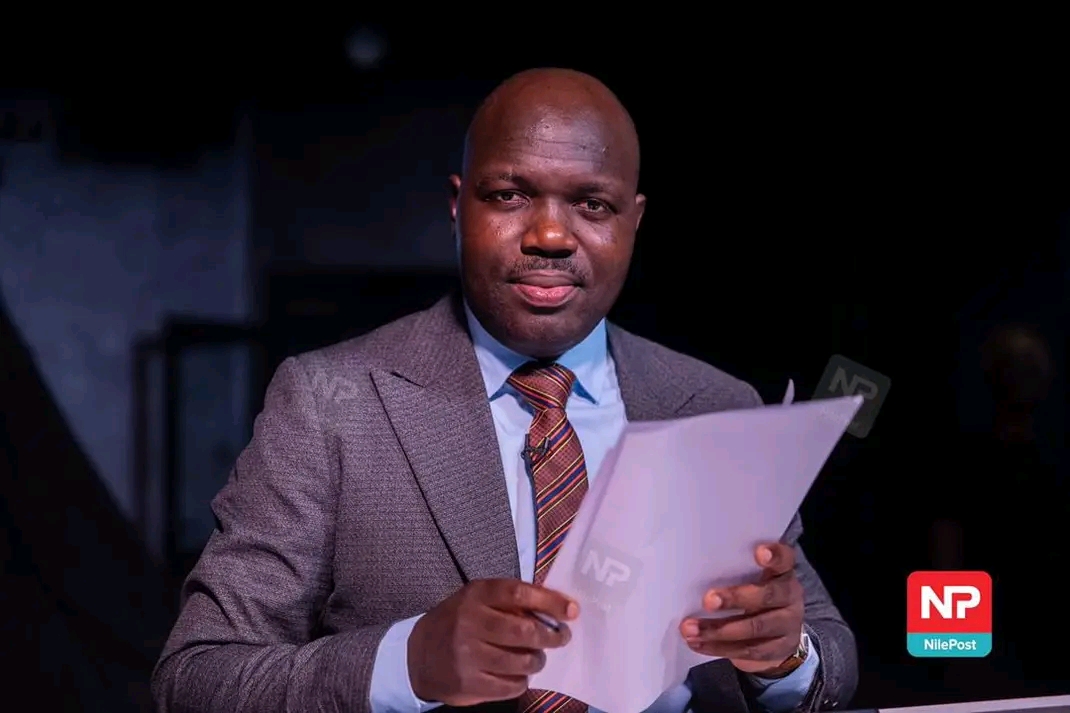
This week, while moderating one of my television shows, I expressed concern, as a journalist, about the Protection of Sovereignty Bill, 2026, particularly Clause 13.
I noted that it has the potential not only to lead to convictions for many, but also to capture and criminalise legitimate journalism.
Clause 13, titled Prohibition of Economic Sabotage, states that a person who publishes information or engages in any act or activity that weakens or damages the economic system or viability of the country, causing economic disruption, insecurity, or instability, commits an offence of economic sabotage and is liable, upon conviction.
This provision criminalises any publication or activity deemed to weaken or damage the economic system or cause disruption.
The wording is broad, vague, and highly subjective, leaving room for wide interpretation, particularly by those in authority.
For journalists whose duty is to report facts accurately and in the public interest, this lack of clarity presents a serious risk.
During the show, I gave an example which is worth restating. A reporter covers an incident in which foreign tourists are attacked or abducted in a national park.
The story is factual, verified, and clearly in the public interest. However, such reporting could discourage tourism, which is a key sector of the economy. Under this clause, the publication could be interpreted as causing economic disruption.
Another example lies in coverage of infrastructure. If a journalist documents impassable roads in key trade areas and highlights rising transport costs and the struggles faced by businesses, this would ordinarily be considered routine public interest reporting.
Under the same provision, such reporting could be construed as damaging economic viability or deterring investment, and therefore labelled as sabotage.
The same concern extends to reporting on high electricity tariffs, inflation, or insecurity. By bringing these issues to light, journalists could be accused of undermining confidence in the economy.
In effect, the truthful reporting of economic challenges risks being treated as a criminal act.
The likely consequence is self censorship within the media. Reporters may avoid sensitive but important stories for fear of legal repercussions.
Investigative work could decline, and journalists may refrain from publishing information that portrays the economy negatively, even when it is accurate and necessary for public awareness.
In its current form, Clause 13 raises fundamental questions about press freedom and the ability of journalists to carry out their role without fear.