



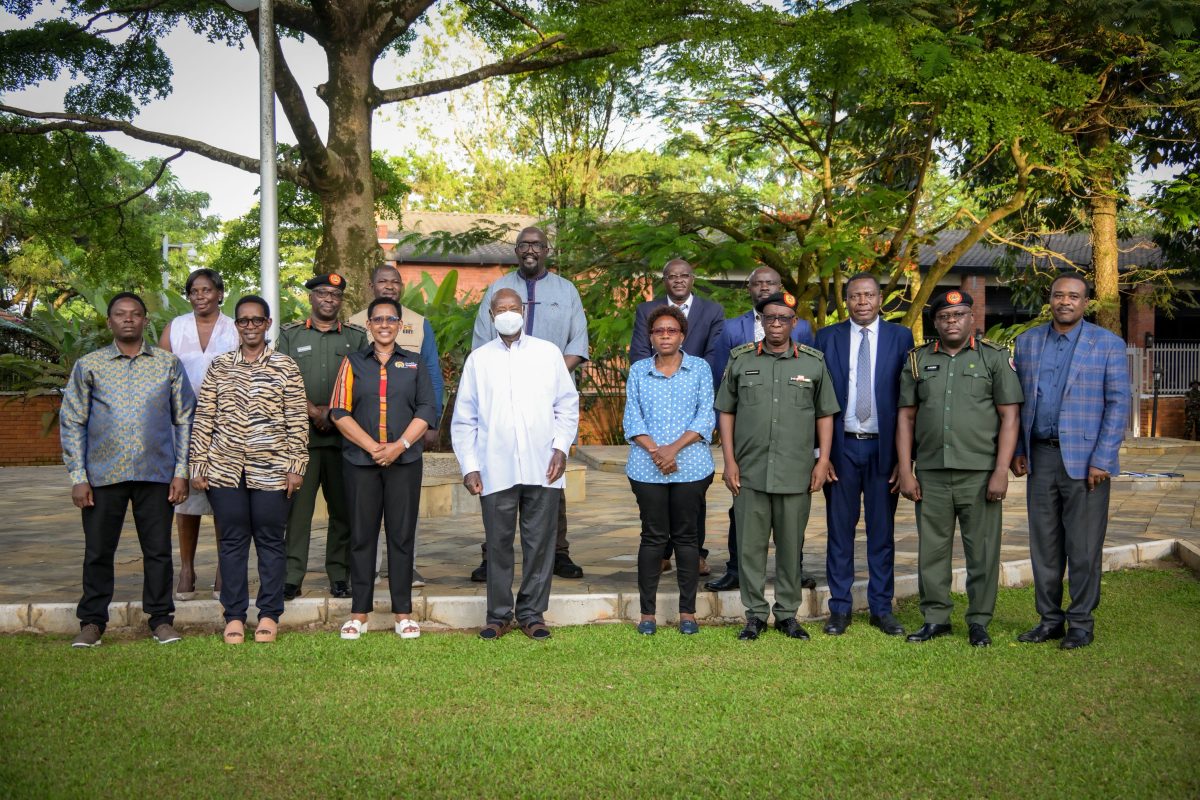
President Yoweri Museveni on Saturday evening met Uganda’s national task force on epidemics at Nakasero State Lodge to assess the country’s response to the Ebola situation linked to the ongoing outbreak in the Democratic Republic of Congo (DRC).
In a message shared on his official X account after the meeting, the President sought to calm public anxiety, saying there was “no cause for alarm” as authorities intensify surveillance and containment measures across the country.

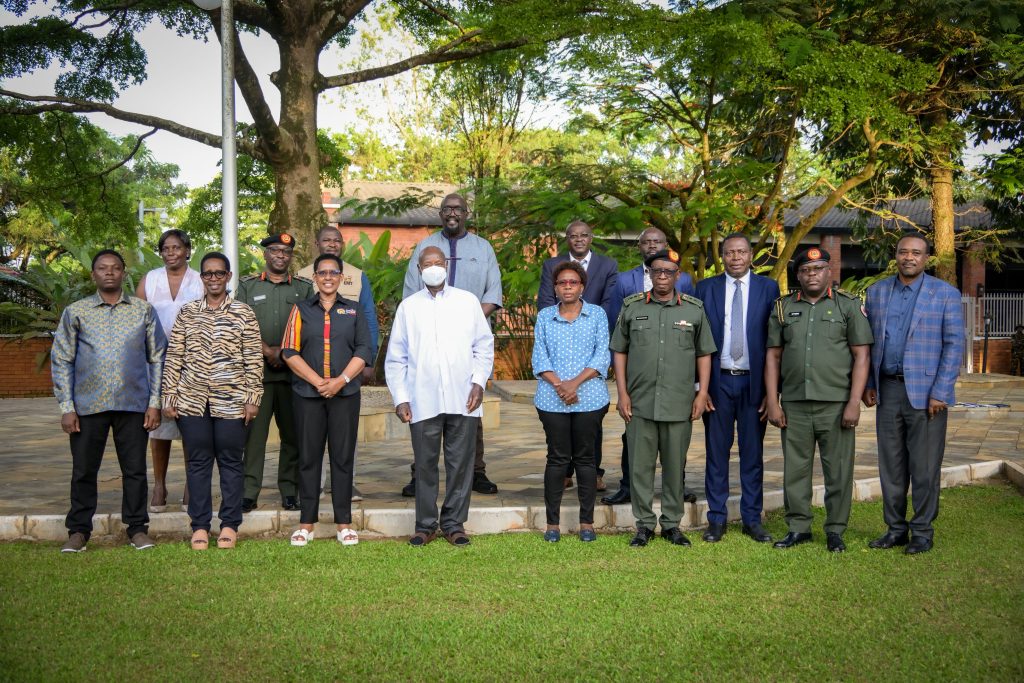
“This evening, I met the task force on epidemics in Nakasero. We discussed the Ebola situation in the region, and we will communicate the way forward. There is no cause for alarm,” Museveni said.
The President’s intervention came amid heightened regional concern after Uganda confirmed an imported Ebola case involving a Congolese national who crossed into the country from the DRC and later died at a Kampala hospital on May 14.
Earlier, the Uganda Media Centre issued an official statement signed by Executive Director Alan Kasujja assuring the public that the situation had been contained.
According to the statement, the deceased Congolese man’s body was returned to the DRC on the same day, while the Ministry of Health immediately traced all individuals who had come into contact with him, including health workers, relatives and friends.
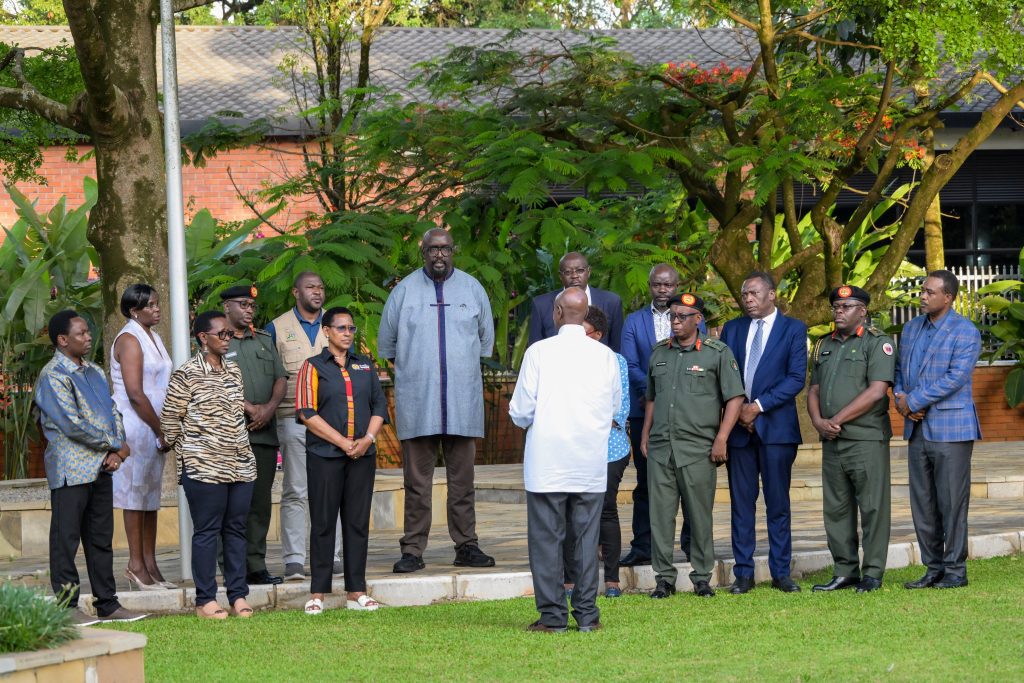
“The Ministry is confident that there is no cause for alarm. The situation has been contained,” the statement read.
Kasujja urged the public to remain vigilant and observe preventive measures, including regular hand washing, avoiding contact with bodily fluids, and reporting suspected symptoms such as sudden fever, fatigue, diarrhoea, vomiting and unexplained bleeding to the nearest health facility.
Uganda’s confirmation of the imported case followed reports of a worsening Ebola outbreak in eastern DRC, particularly in Ituri Province, where dozens of deaths and hundreds of suspected infections have been recorded.
Health experts say the outbreak involves the Bundibugyo strain of the virus, for which there are currently no approved vaccines or treatments.
The World Health Organization has since declared the Ebola outbreak affecting DRC and Uganda a public health emergency of international concern, warning that cross-border movement and regional trade routes increase the risk of further spread.
Despite the regional alert, Ugandan authorities insist the country’s surveillance and response systems remain active and capable, citing previous successful containment of Ebola outbreaks.